
 M. DAWSON
 J. CLARKE
 M. SMOLEN
 E. FER
 C. KUHNLE
 M. CHOURRAUT
 M. BENUS
 F. ANTON
 L. BOZIC
 K. HOSKOVA
 J. FOX
 BREZINSKI/BREZINSKI

 A. PETERS
 V. KHUDZENKA
 E. MEDVECKZKY
 GRIJIC/NOVAKOVIC
 L. QIANG
 M. DE JONGE
 R. POULSEN
 A. CHERVOVA
 S. TARNOVSCHI

 J. MOCKE
 E. LEVEMYR
 S. RAFAEL
 H. TAKAKU

 M. GRAZIANI
 J. EGAN
 N. LJUBEK
 MINDE/HAMAR
 PINTA/MOZZICAFI
 S. LAMMLER
 A. BUSLAIEVA
 M. WEGMAN
 S. REINOSO
Pass it on! How do I pass on my knowledge and experiences to others?
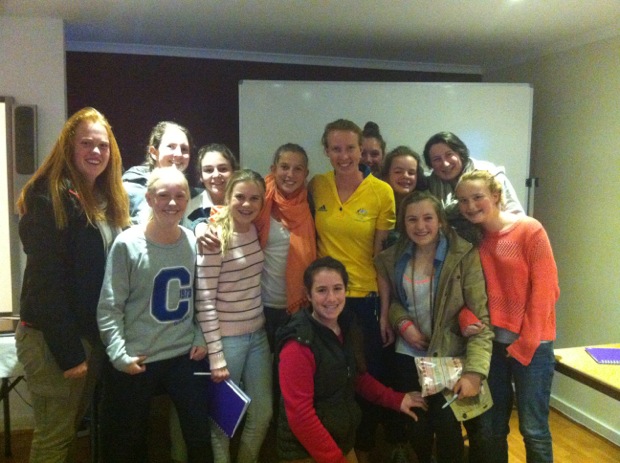
Jo Brigden Jones (in yellow) passing it on to the girls from Frensham School.
Jo Brigden Jones | Sportscene - Since the London Olympics I have been asked to do a number of talks to a wide variety of people who are interested in learning about my sporting journey. I believe it is part of my responsibility as an athlete to pass on what I have learnt from competing at the highest level to the community. It is hopefully helping the next generation of Australians and giving them an understanding of how to achieve, overcome obstacles and maximise their potential.
Representing Australia at the Olympics was one of the best moments of my life and is one of the highest honours a person can achieve. Everyone’s journey to get to the Olympics is different, special and filled with successful moments but also challenges that you have to overcome.
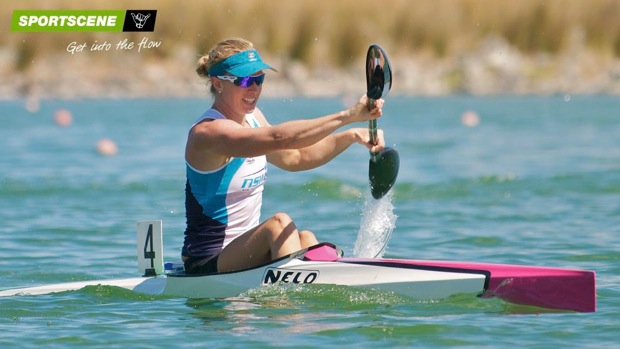 When giving a presentation it is important to leave your audience an important message they can remember. I am often asked to talk about my sporting journey. I usually start with how I got into kayaking, then moving through my career, I talk about the highs and the lows. People love hearing about my experiences from the London Olympics. It was an amazing 2 weeks of my life and I love sharing my special moments from the Olympic Games. I often explain what it was like to walk out into the stadium at the Opening Ceremony. I got goose bumps from head to toe and it was one of those moments I had always imagined what it was like, now I was experiencing it and it was amazing. When talking about my overwhelming emotions that I went through during the Olympics I find it engages the emotions and intellect of the audience.
When I give a talk to some groups, I try to teach them how to achieve anything they set their mind to by setting goals, working hard, believing in themselves and then they are able to achieve their goals. I use stories from my own journey so the audience understands how to use goals in their own life. Sharing my stories and experiences helps me to connect with the audience to show them that it is possible. If I can achieve something, why can’t they!
 There are different types of presentations I am asked to give and the format depends on what the group want to get out of it or the time restrictions they have. The different type of presentations are question and answer format, where I am interview by a MC, short speeches, longer presentation where I have a slide show presentation with words, picture and videos, Skype talks to groups of school kids and presentations of sports awards.
It’s great when I get good feedback after my talks. To hear that people really enjoyed and took a lot from what I said means a lot and it makes me excited to think I may have helped someone to achieve their dreams.
When I am sharing an experience with the audience, hopefully they are feeling what I felt and sharing the experience with me as I talk them through it. A motivational talk should affect the audience’s emotions and state of mind positively. They have got to believe that the message you’re trying to get across to them is not just a concept, but a reality.
I have done a few public speaking courses and media training which has helped with my presentations. I always plan my presentations. I often get asked if I am nervous before a talk. Normally I am not that nervous because if I have a good plan to follow, then I am confident that my talk will be effective in capturing the audience.
Planning a talk is like have a race plan. Preparation is the key to success.
I always have to adjust the content of my talk to suit the audience I am presenting to. An elite athlete, an 8 year old school kid or a group of business men all have a different understanding of the concepts I talk about so it’s important to adjust my talk accordingly.
My tips for giving a great presentation are:
- Identify your audience (age range, gender, culture, their life experience, sporting background, how many people will be there)
- Clarify the objective of the presentation; what does the audience want to learn from you?
- Plan your presentation
- Select a few main points to discuss
- Talk with passion - enthusiasm is infectious
- Ask for feedback at the end