
 M. DAWSON
 J. CLARKE
 M. SMOLEN
 E. FER
 C. KUHNLE
 M. CHOURRAUT
 M. BENUS
 F. ANTON
 L. BOZIC
 K. HOSKOVA
 J. FOX
 BREZINSKI/BREZINSKI

 A. PETERS
 V. KHUDZENKA
 E. MEDVECKZKY
 GRIJIC/NOVAKOVIC
 L. QIANG
 M. DE JONGE
 R. POULSEN
 A. CHERVOVA
 S. TARNOVSCHI

 J. MOCKE
 E. LEVEMYR
 S. RAFAEL
 H. TAKAKU

 M. GRAZIANI
 J. EGAN
 N. LJUBEK
 MINDE/HAMAR
 PINTA/MOZZICAFI
 S. LAMMLER
 A. BUSLAIEVA
 M. WEGMAN
 S. REINOSO
How to prepare for your first Olympics?
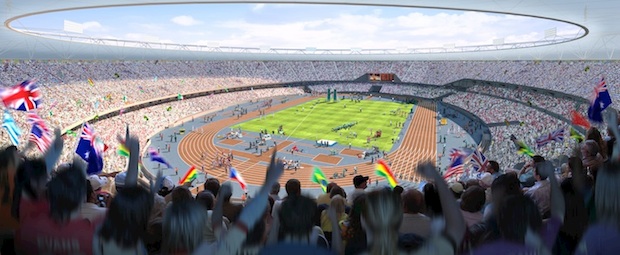
Jonathan Males, Founder Performance1 - The 2016 Games are approaching fast, and the next few months will be critical for athletes. I want to talk about some of the challenges that first time Olympians will face in Rio – and offer some reminders for those who have competed at the Games before. A simple way of understanding the Olympics is to ask “what’s the same, and what’s different, at the Games compared to a World Championship?” The athletes who get this question right are more likely to perform to their potential.
 The closer you get to being on the water for your event the more similar the Olympics are to any other big race. In fact, when it comes to your core approach and process goals, it should be no different. In slalom, it’s all about the water and the poles. In sprint, the lanes will stretch out in front of you like they always do. So successful athletes will use their regular race-day plan that they have practiced and refined through the season. It’s a sign of inexperience to believe that you have to do something different on the water just because it’s the Olympics. Just the opposite – doing the basics under pressure better than anyone else will lead to a great performance.
The Olympics get more different from a World Champs the further away you get from the water. There’s more security and less freedom of movement around the venue. So places that you may have been able to access during training can become inaccessible during competition. All teams will have limits to the number of accredited staff, so you will probably have fewer people on the bank than normal.











 All these differences require careful planning and preparation on your part. You need to adapt and change your normal routines when you’re in the Olympic environment otherwise you will find yourself out of control, either swept along by the hype or hamstrung by the security. Make sure you give yourself enough time for transit between the Village and your venue, always remember your accreditation pass, be patient with queues, and eat only what you need in the dining halls.
Preparing for the similarities and differences at the Olympics is a useful discussion to have with your coach and team-mates. It will help you maintain the consistency that you need on the water, while making the necessary changes off it. Enjoy your Olympic experience and good luck!
 Are you an athlete or coach and do you have a question for Jonathan? You can submit your question here and please don't forget to mention 'Question for Jonathan': www.sportscene.tv/contact
Other articles from Performance1 founder Jonathan Males:
- Dealing with failure.
- Question athlete: This is my first year of competing internationally – what do I need to do differently to prepare for race day?
- Question athlete: During training sessions I perform well and feel confident. How do I reproduce this during an important race?
- Getting ready to race – the importance of a mental warm up.