
 M. DAWSON
 J. CLARKE
 M. SMOLEN
 E. FER
 C. KUHNLE
 M. CHOURRAUT
 M. BENUS
 F. ANTON
 L. BOZIC
 K. HOSKOVA
 J. FOX
 BREZINSKI/BREZINSKI

 A. PETERS
 V. KHUDZENKA
 E. MEDVECKZKY
 GRIJIC/NOVAKOVIC
 L. QIANG
 M. DE JONGE
 R. POULSEN
 A. CHERVOVA
 S. TARNOVSCHI

 J. MOCKE
 E. LEVEMYR
 S. RAFAEL
 H. TAKAKU

 M. GRAZIANI
 J. EGAN
 N. LJUBEK
 MINDE/HAMAR
 PINTA/MOZZICAFI
 S. LAMMLER
 A. BUSLAIEVA
 M. WEGMAN
 S. REINOSO
Fat nutritionist? Lose some weight!
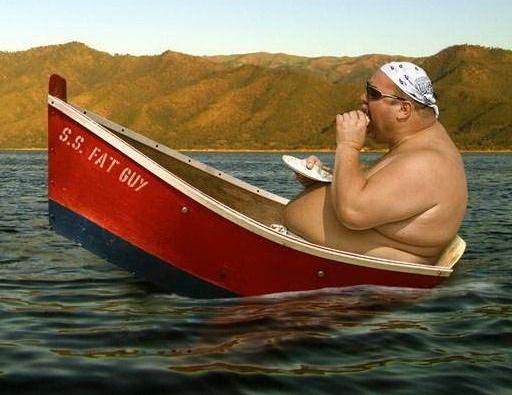
Guy Dresser | Royal Canoe Club - So you’re an elite athlete and your sports governing body appoints a nutritionist to come and advise you on your body’s needs. Trouble is, you need someone you can respect and rely on and this nutritionist is, how shall we put it, um…horizontally challenged?
In plain English…if you’re an overweight sports scientist, your views and opinions won’t be the only thing the elite athlete takes on board. Your bulging waistline may well undermine your credibility.
 According to a new study by former Royal Canoe Club member and sports scientist Geoff Lovell (most recently, perhaps, famous for the Olympic canoeing exploits of his wife Rachel Lovell as she raced in London for the Australian women’s K4 last year), practitioners’ physical characteristics influence clients’ perceptions of their effectiveness, potentially mediating the efficacy of subsequent interventions.
Anecdotally this is clearly the case. I can recall a friend who attended Weightwatchers laughing about the morbidly obese woman who appeared to run the group. In fact she was the assistant because, as my friend discovered, an obese class leader was deemed ineffective in instilling confidence in those she was advising on how to lose weight.
According to Geoff, now based at the School of Social Sciences at the University of the Sunshine Coast in Queensland, Australia, very little research has been directed toward this issue for sports dieticians (SDs), the health professionals whom athletes are likely to engage to assist with on issues of their physique.
His study used 100 volunteers who regularly participated in competitive sport to rank SDs in order of their preference as an adviser they’d like to work with an on their perceived effectiveness. All they had to go on was slides of their appearance – computer-generated images of the same female SD were manipulated to represent four concurrently presented computer-generated images of the same person but made to represent a different body mass index (BMI) and dress type.
The key finding was that observation of a significant BMI adversely affected the perceived effectiveness of the female sports dietitian. The conclusion? Sports dieticians should consider their physical appearance when meeting with athletes, as this may affect their perceived efficacy.