
 M. DAWSON
 J. CLARKE
 M. SMOLEN
 E. FER
 C. KUHNLE
 M. CHOURRAUT
 M. BENUS
 F. ANTON
 L. BOZIC
 K. HOSKOVA
 J. FOX
 BREZINSKI/BREZINSKI

 A. PETERS
 V. KHUDZENKA
 E. MEDVECKZKY
 GRIJIC/NOVAKOVIC
 L. QIANG
 M. DE JONGE
 R. POULSEN
 A. CHERVOVA
 S. TARNOVSCHI

 J. MOCKE
 E. LEVEMYR
 S. RAFAEL
 H. TAKAKU

 M. GRAZIANI
 J. EGAN
 N. LJUBEK
 MINDE/HAMAR
 PINTA/MOZZICAFI
 S. LAMMLER
 A. BUSLAIEVA
 M. WEGMAN
 S. REINOSO
Efficiency of sports is 1 in 4. For ex-smokers the pay is even slightly better
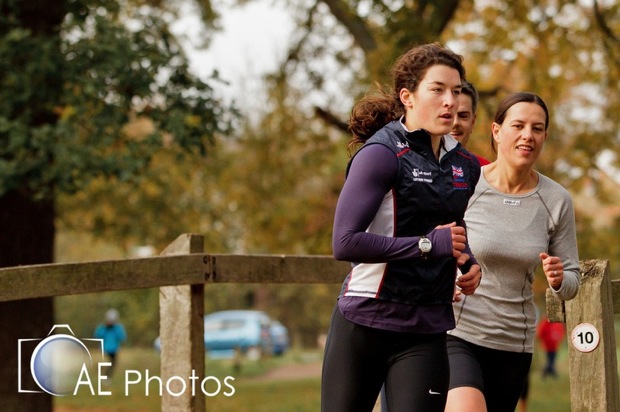
Mirjam Goudsmit | Sydney - Exercise is good for you, but how good? A large population study shows that you gain 4 hours of life with every hour that you are physically active. Consequently, the effectiveness ratio of sport to your life expectancy is 4 to 1 and for ex-smokers this ratio is even slightly better.
As a rule of thumb you can say that a smoker loses 4 minutes of his life with every minute he/she spends on smoking. That adds up! For a chain smoker who spent a total of 2 to 3 years smoking it is not uncommon for them to die at around 60 because of lung cancer.
Evidence regarding the prolonged effect of regular exercise has not been previously available until now. Thanks to a large pooled, prospective cohort study of 600,000 American and Swedish individuals over the age of 40 conducted by American and Scandinavian epidemiologists and published in PLOS magazine.
The message is pretty clear: people who spend approximately 75 minutes per week on moderate to intense physical activity (moderate intense: brisk walk, gardening, etc.) live an average 1.8 years longer than those who do nothing to move. If you reach 150 minutes per week (the WHO-recommended minimum) then you add on average 3.4 years to your life. That is roughly four times the gain on your length of life compared with the time you spend 'moving'. This applies regardless of your weight, health status, and whether you smoke or not. There is a saturation level though: people who do three times as much physical activity (450 minutes per week) gain "only" 4.5 years.
If you look at gains in life expectancy of specific groups separately, we see that ex-smokers have slightly more gain from exercise than smokers or those who have never smoked. The most extreme difference: 7.2 years of life, was seen between active people with a healthy weight (BMI between 19 and 24) compared to extremely obese people (BMI over 35) who are inactive.
A caveat regarding the numbers: the data on physical activity is based on self-reporting.
Leisure time physical activity, PLOS Medicine, november 2012
Proofreading: Lou Lockhart