
 M. DAWSON
 J. CLARKE
 M. SMOLEN
 E. FER
 C. KUHNLE
 M. CHOURRAUT
 M. BENUS
 F. ANTON
 L. BOZIC
 K. HOSKOVA
 J. FOX
 BREZINSKI/BREZINSKI

 A. PETERS
 V. KHUDZENKA
 E. MEDVECKZKY
 GRIJIC/NOVAKOVIC
 L. QIANG
 M. DE JONGE
 R. POULSEN
 A. CHERVOVA
 S. TARNOVSCHI

 J. MOCKE
 E. LEVEMYR
 S. RAFAEL
 H. TAKAKU

 M. GRAZIANI
 J. EGAN
 N. LJUBEK
 MINDE/HAMAR
 PINTA/MOZZICAFI
 S. LAMMLER
 A. BUSLAIEVA
 M. WEGMAN
 S. REINOSO
Australian pro sport rocked by doping inquiry
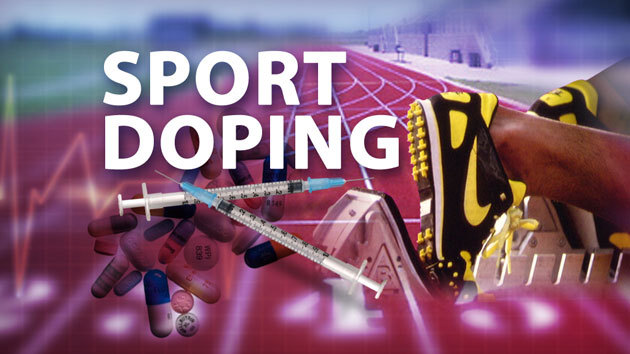
Guy Dresser | Royal Canoe Club - An official report into the use of performance-enhancing drugs among professional Australian athletes claims their use is “widespread and organised”.
The shocking conclusions of the report by the Australian Crime Commission (ACC) says organised crime groups have distributed illegal drugs, including hormones and other substances, and that their use has been “orchestrated and condoned” by support staff across several sports.
You can see the entire report here.
The investigation focused on professional sport and there’s no suggestion canoeing is involved. With one notable exception, there have not been any positive tests by any of the country’s top canoeists, who frequently scoop medals at World Championships and Olympic Games, in the last few years.
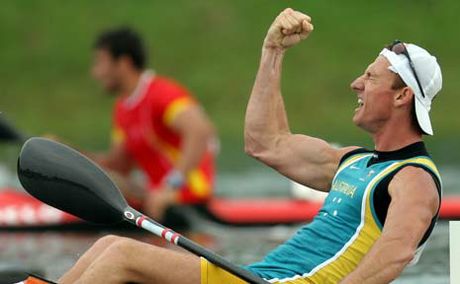 That exception was sprint kayaker Nathan Baggaley (pictured), a two-time silver medalist in 500m at the Athens Games, where he beat British singles entrant Ian Wynne into third place. Baggaley tested positive for steroids in 2005 and was banned. He later served time in prison after being caught with large quantities of ecstasy in his car. Baggaley is making a return to sport by taking part in surf ski racing, according to one report.
The ACC report claimed it had found ”clear parallels” between doping evidence in Australia and the investigation into disgraced cyclist Lance Armstrong in terms of the presence of considerable organisation behind the distribution and administration of illegal drugs.
The former head of the Australian sports anti-doping authority (ASADA), Richard Ings, said the ACC report was disastrous news for the country’s sport: “It is not a black day in Australian sport, this is the blackest day in Australian sport.”
The report looked into professional sport. Its key points, according to ABC.net, are:
- The use of banned substances, including peptides, hormones, and illicit drugs, is widespread amongst professional athletes
- No major code is immune from the scandal
- Some players have been administered with drugs not yet approved for human use
- The doping is being run by sports scientists and coaches, support staff and others are conniving in it
- Organised crime is involved in distributing the drugs
- ASADA is to be given new powers to conduct a “full and unhindered investigation”.
The Australian Olympic Committee has ordered athletes to sign a statutory declaration that they have never used performance-enhancing drugs – or face the prospect of not being selected for Olympic teams. The move is intended to flush out drug cheats and was introduced after the resignation of two Cycling Australia team officials who confessed to doping during their sporting careers.
Following the release of the Australian Crime Commission's (ACC) report 'Organised Crime and Drugs in Sport' Australian Canoeing has issued recommendations to athletes.
 Lawyers suggest that EU laws mean similar statutory declarations might not work in Europe or the US. In Europe they’d possibly fall foul of Human Rights legislation and in the US they could be seen as self-incriminatory, something that’s not permitted under the fifth amendment of the Constitution. Australia, it seems, has no compunction about the measure, perhaps hoping that any athlete who declined to sign would invariably attract suspicion.
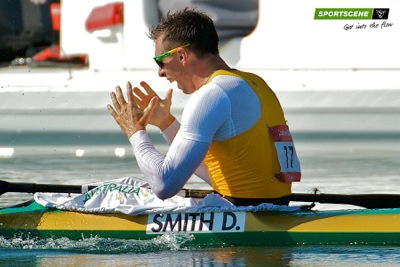
Several top Australian canoeists welcomed the move by their National Olympic Committee, however. Olympic champion David Smith, who was a member of the amazing gold medal-winning men’s K4 in London, told the Sydney Morning Herald:
”It makes any person that does or considers doping to really think about what the consequences are. ‘And if you’re not a doper, there is no real issue. It doesn’t cause a problem for the clean athletes.”
A top anti-doping official warned it was ‘inevitable’ that the UK faced similar problems. Reported in The Daily Telegraph, David Howman, the director general of the World Anti-Doping Agency, said:
“Once you have a national controversy everybody jumps into action. I would not say Britain is immune. I would say it is a matter of time.”