
 M. DAWSON
 J. CLARKE
 M. SMOLEN
 E. FER
 C. KUHNLE
 M. CHOURRAUT
 M. BENUS
 F. ANTON
 L. BOZIC
 K. HOSKOVA
 J. FOX
 BREZINSKI/BREZINSKI

 A. PETERS
 V. KHUDZENKA
 E. MEDVECKZKY
 GRIJIC/NOVAKOVIC
 L. QIANG
 M. DE JONGE
 R. POULSEN
 A. CHERVOVA
 S. TARNOVSCHI

 J. MOCKE
 E. LEVEMYR
 S. RAFAEL
 H. TAKAKU

 M. GRAZIANI
 J. EGAN
 N. LJUBEK
 MINDE/HAMAR
 PINTA/MOZZICAFI
 S. LAMMLER
 A. BUSLAIEVA
 M. WEGMAN
 S. REINOSO
Contributors - Paddlesports Back to overview
Paracanoeing
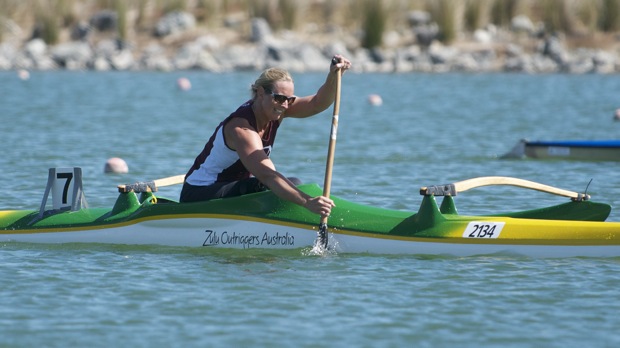
['Paracanoeing' (International Canoe Federation terminology) refers to canoe outrigger and kayak racing for disabled athletes.]
At present para-canoesport is primarily a flatwater sprint discipline, para-slalom competition is indeed being developed by established canoeing nations yet this sport still needs to evolve.
Para-athletes compete in different classes depending on how much they are physically impaired. This usually refers to 4 categories:
- Arms (A) – arm and shoulder function only, no trunk use.
- Trunks and arms (TA) – upper body only, weakened use/function of lower limbs.
- Legs, trunks and arms (LTA) – functional use of all 3 for paddling, paddlers can apply force to the foot board/ seat to propel the boat forwards.
- Combined (LTA, TA, A) – allowing speed-matched athletes from any category to compete against each other.
Currently all international paracanoe competitions are held over 200m and athletes use 2 boat classes (singles or doubles): kayaks (K) and va’a canoes; (outriggers; V).
Disability sprint-racing came about in 2009 because, at the ICF Canoe Sprint World Championships in Halifax, Canada, it was a demonstration event run by the ICF Canoeing For All Committee.
Participation in the sport, along with the number of athletes doing so worldwide, has since soared – at the 2010 World Championship in Poznań 63 athletes from 31 nations competed. Nowadays paracanoe is a permanent member of the Canoe Sprint World Championship line up – competitions are held per annum except in Paralympic years.
Very proudly, paracanoe also became the latest addition to the Paralympic program in 2010, it will feature at the Rio 2016 Paralympic Games; 8 races in K1 and V1 200m are set to raise the sport’s media profile to new levels encouraging further global participation.
Disability paddlers competing for clubs can compete at national events, those who make national selections can go onto to compete at the likes of the European Championship. More and more international regattas are also emerging.