
 M. DAWSON
 J. CLARKE
 M. SMOLEN
 E. FER
 C. KUHNLE
 M. CHOURRAUT
 M. BENUS
 F. ANTON
 L. BOZIC
 K. HOSKOVA
 J. FOX
 BREZINSKI/BREZINSKI

 A. PETERS
 V. KHUDZENKA
 E. MEDVECKZKY
 GRIJIC/NOVAKOVIC
 L. QIANG
 M. DE JONGE
 R. POULSEN
 A. CHERVOVA
 S. TARNOVSCHI

 J. MOCKE
 E. LEVEMYR
 S. RAFAEL
 H. TAKAKU

 M. GRAZIANI
 J. EGAN
 N. LJUBEK
 MINDE/HAMAR
 PINTA/MOZZICAFI
 S. LAMMLER
 A. BUSLAIEVA
 M. WEGMAN
 S. REINOSO
Interview with Campbell Walsh: Britain’s No. 1 Canoe slalom athlete
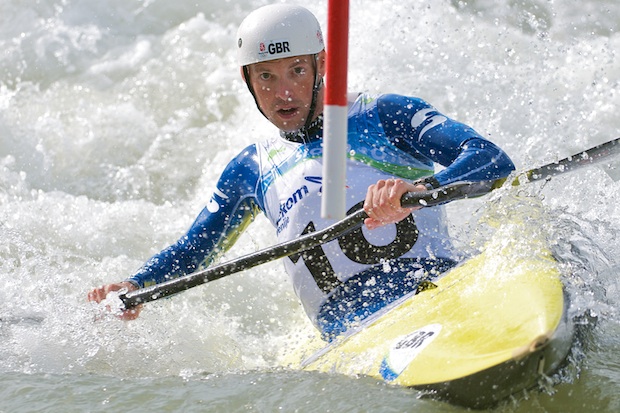
By: Jade Clifton-Brown, FAME Hertfordshire Magazine - Campbell Walsh has already gained the silver medal for Britain in the 2004 Olympics and is set for gold in 2012. Providing he makes it through the April trials, that is! Walsh is currently living in Waltham Abbey and is training at the Lee Valley White Water centre in Waltham Cross.
Achievements
- Current British No. 1
- Olympic Silver Medal Athens 2004
- World Champs Bronze 2006 & 2007
- World Cup Champion 04
- European Champion 08
- Beijing Olympian 08
- 4th World Champs 09
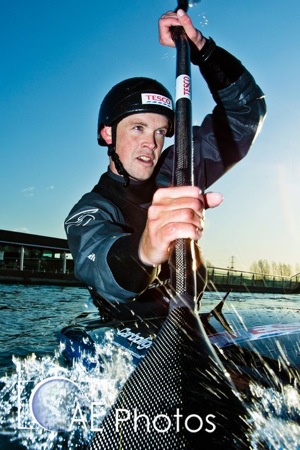 At what age did you realise that you wanted to do canoeing professionally?
To start with, it was just for fun and then I started going more and more, I guess I didn’t realise that you could do it professionally for a while. The internet didn’t exist when I was younger and the world championships were only showed on TV for half an hour a year, which is the only exposure I got from the professional end of the sport. I was very sheltered from the fact that you could do it professionally. By about 16, I realised that the top guys in Britain were funded to train full-time, that they didn’t have to go get a job. I remember having a discussion with my teachers, saying that was what I wanted to do and I remember them being a bit disappointed, they thought it was a waste of my academic talents.
Then why did you end up at University? (Campbell left university with a first class degree!)
The best way to train as an 18-year-old was to train whilst studying. Much easier to train and study than to train with a job. If I had to do it again, I would do part-time study to give myself more time to train. Trying to combine full-time University with training meant that I had no social life.
If you could talk to yourself ten years ago, what advice would you give yourself?
I’d tell myself to chill out a bit and that it’s not the end of the world if I have a bad training session.
What differentiates you from other competitors that have tried and failed at canoeing?
This is tricky. Well, I’m not the best physically. I’m defiantly smaller than most of my competitors so from a young age I found it difficult to compete on a physical level which developed my technique to a higher level instead. I paid extra attention to technique, which put me in good stead for my future career and I put a lot of focus on efficiency.
How did it feel winning the silver medal?
For me, it’s about achieving your potential rather than the actual medal. The most important thing for me is performing at my best. If I’ve performed as well as I could that day and I finished fourth or fifth I’d be happier than coming third with a big mistake.
Finally, in one word, how would you feel if you won the gold?
Content.
Below a short interview with Campbell after he won the 2011 Australian Open.
Website Campbell Walsh: www.campbellwalsh.com