
 M. DAWSON
 J. CLARKE
 M. SMOLEN
 E. FER
 C. KUHNLE
 M. CHOURRAUT
 M. BENUS
 F. ANTON
 L. BOZIC
 K. HOSKOVA
 J. FOX
 BREZINSKI/BREZINSKI

 A. PETERS
 V. KHUDZENKA
 E. MEDVECKZKY
 GRIJIC/NOVAKOVIC
 L. QIANG
 M. DE JONGE
 R. POULSEN
 A. CHERVOVA
 S. TARNOVSCHI

 J. MOCKE
 E. LEVEMYR
 S. RAFAEL
 H. TAKAKU

 M. GRAZIANI
 J. EGAN
 N. LJUBEK
 MINDE/HAMAR
 PINTA/MOZZICAFI
 S. LAMMLER
 A. BUSLAIEVA
 M. WEGMAN
 S. REINOSO
From SUP Magazine: Interview with Travis Grant
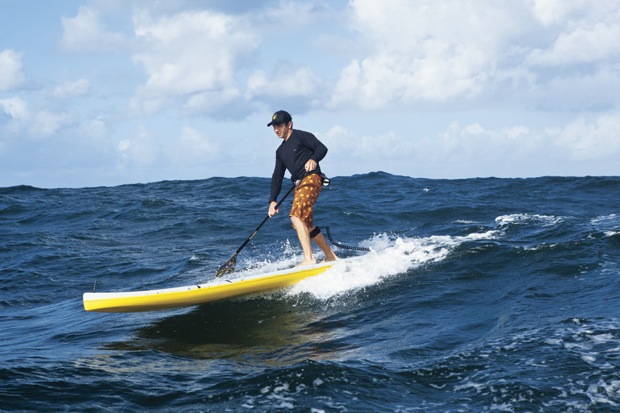
How’d you get into paddling? I started paddling when I was 16. As a kid, I grew up doing surf lifesaving, which is big in Australia. I started competing on outrigger canoes. I was a small kid, so they taught me how to be a steersman. I learned how to have ‘feel’ for the water and how to control a canoe, which made the transition to standup really easy. The first time I saw an SUP was in 2007 in Hawaii when racing the OC-1 series. I remember thinking, ‘This sport won’t take off’. It looked silly.
So why’d you get into standup? When I finally tried it, I was immediately really good at it. At the same time, there was a ton of buzz about standup and it started to blow up. I realized there could be a lot more opportunities with the sport than I originally assumed—from sponsorship to coaching. In 2009, I entered my first race in Noosa and won the whole thing. Someone told me I should enter the Battle of the Paddle in Hawaii. I didn’t really train for it … just mucked around, and somehow took second place. After that, I decided to take the sport a bit more seriously. I am stoked to be part of it now, and I’ve become a huge ambassador for the sport.
Why do you think outrigger paddlers make great standup racers? You’re just standing versus sitting, and using a longer paddle. Little things, like knowing where to stand and how to use the paddle, have really given myself, and guys like Danny Ching and Jamie Mitchell (also canoe steersmen) a huge advantage. The canoe and surfski guys have an advantage because they have that feel. Surfers have balance; they just tend not to have technique.
So you ready to be a pro? I have a full-time job building outrigger canoes and I’m not fully sponsored like a lot of the guys, so I try to train smart. I usually train at 5 a.m. or 5 p.m., but only one session a day. I don’t really do any gym work. I just stay on the water.
Is there a scene there? In Australia, standup is the fastest growing water sport. There’s a training squad that goes every morning at 5 a.m. out at Currumbin on the Gold Coast with at least 20 people on the water. Girls are really getting into it, and since everyone in Australia is fitness-oriented, creeks are becoming littered with standups. It’s drawn athletes from all different backgrounds—Aussie football or surf lifesaving guys—and this is their new sport. There’s a huge range of ages from 15- to 50-year-olds.
Is there tension in the water? In Australia, surfing culture is massive, and it’s our biggest sport. A lot of standup paddlers are beginners and when they paddle right into the lineup, the shortboard guys get really pissed. I’ve seen quite a few fights. There are certain places where standups aren’t allowed in the lineup, but other breaks like Currumbin Alley are becoming standup-only waves. Overall, surfers and standup guys don’t really mingle. I don’t know if that will ever change.
By: SUP Magazine, Shelby Stanger