
 M. DAWSON
 J. CLARKE
 M. SMOLEN
 E. FER
 C. KUHNLE
 M. CHOURRAUT
 M. BENUS
 F. ANTON
 L. BOZIC
 K. HOSKOVA
 J. FOX
 BREZINSKI/BREZINSKI

 A. PETERS
 V. KHUDZENKA
 E. MEDVECKZKY
 GRIJIC/NOVAKOVIC
 L. QIANG
 M. DE JONGE
 R. POULSEN
 A. CHERVOVA
 S. TARNOVSCHI

 J. MOCKE
 E. LEVEMYR
 S. RAFAEL
 H. TAKAKU

 M. GRAZIANI
 J. EGAN
 N. LJUBEK
 MINDE/HAMAR
 PINTA/MOZZICAFI
 S. LAMMLER
 A. BUSLAIEVA
 M. WEGMAN
 S. REINOSO
Dusi, South Africa - sand mining posing problems for paddlers
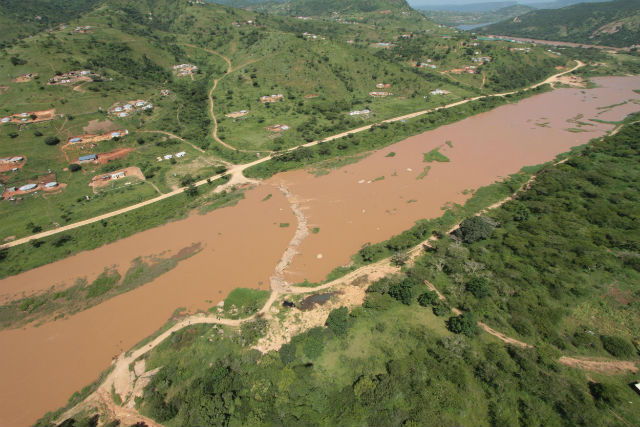
Pietermaritzburg – Paddlers preparing for the upcoming Dusi Canoe Marathon that starts at Camps Drift on 13 February are wrestling with the problems caused by the ever increasing sand mining operations on the two rivers that play host to the famous canoeing race.
Many of the dedicated athletes that have entered the race spend the summer months tripping the river to study lines down the major rapids, but have reported that the environmental impact of unscrupulous sand miners, particularly on the uMngeni river, is becoming severe.
Sand mining takes on two forms – legal and illegal, with the illegal sand mining operations creating the biggest problems for the paddlers as well as for the authorities. Keeping tabs on these operations poses a major problem because the mining takes place within a few weeks.
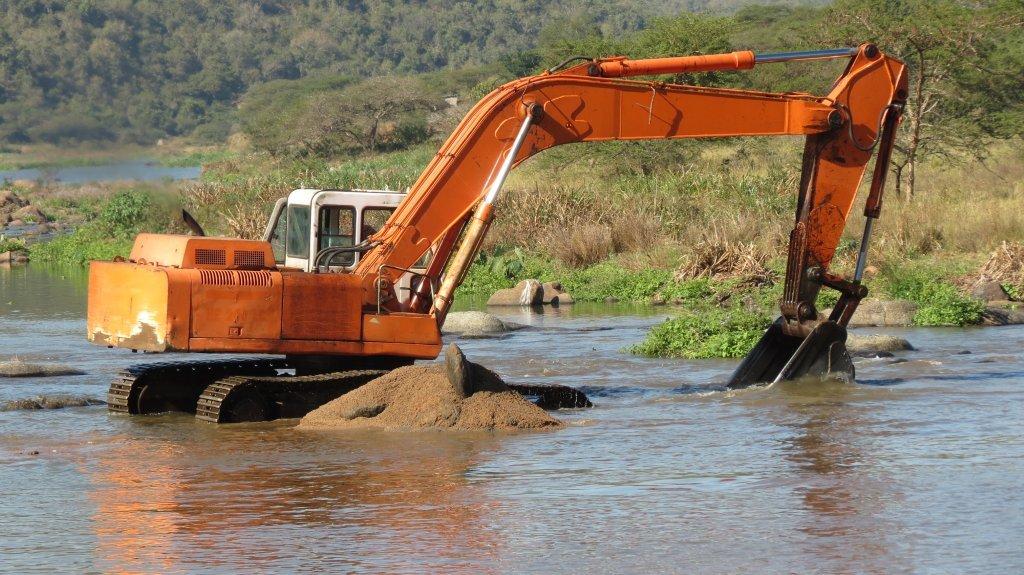 “These guys come in and do their thing and get out,” Dusi Umgeni Conservation Trust (DUCT) Field Manager Bart Fokkens said. “They don’t spend much time at a particular place and when they leave they disregard the river completely which poses problems for both the environment as well as for paddlers.”
According to Fokkens one of the most detrimental effects that sand mining has on a river is that it alters the natural course of the water flow when they erect causeways and weirs in order to dam up the water.
“It is a serious problem when they set up their weir’s in the river where there used to be rapids and it causes a number of problems for paddlers because there was never flat water or a weir there before and it often tests the canoeists skills when they approach these obstacles.
“It is advised that they get out and scout the river before moving on due to the changes that the sand mining makes to the river,” Fokkens mentioned.
The sand mining operations on the uMngeni River create a huge environmental problem if not done correctly and with the demand for housing on the rise people are mining the sand to create concrete blocks in order to try and meet the demand.
 “The sand is free which means that anyone can go there and mine the sand, which happens, but the issue doesn’t come from the one person who collects a wheelbarrow of sand – it comes from the huge operations.
“At the Mfula Store you can see that there was a major operation on the go and the environmental impact was huge because if you don’t do it properly there is very little chance of the river being able to rehabilitate itself,” he explained.
The DUCT Field Manager understands that there is a place for sand mining and it is needed in certain areas of water systems but even these operations need to make sure that they are not adversely affecting the river.
“Sand mining is needed at the headwaters of dams and that is what they are doing at the top of Inanda Dam in order to remove the silt from the dam.
“The problem comes when they, like the illegal operations, create causeways across in order to get their machinery to the other side. This coupled with leaking diesel and petrol threatens the environment as well as the paddlers.
“As long as the sand is free, sand mining will always be an issue and with an ever-increasing population it will remain a threat to the coastal rivers in this province. We have been trying to curb the threat that is poses to our rivers but it is a difficult thing to stop with the river being fairly secluded in a lot of areas,” said a concerned Fokkens.
Event website: www.dusi.co.za